How Termite Control Services Stop Infestations Before They Spread
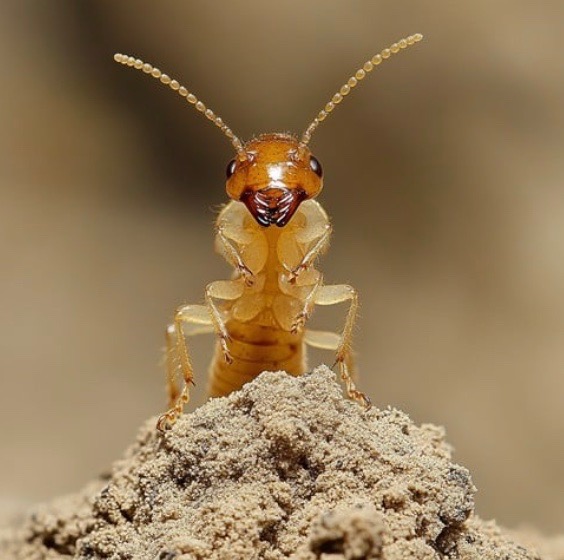
Termites rarely announce themselves early. By the time a homeowner notices a soft baseboard, a bubbling paint line, or a door frame that sounds hollow when tapped, the colony has often been active for months. In some cases, much longer. That quiet lead time is exactly why termite problems can become expensive. The insects are not interested in making a mess you can see. They stay hidden, keep feeding, and expand outward through framing, trim, flooring, and structural supports.
That is where Termite Control Services earn their value. Good service is not just about spraying a visible area and moving on. It is about interrupting termite activity before it gains momentum, identifying how the insects entered the structure, understanding the conditions that let them thrive, and setting up barriers or treatment systems that keep the infestation from advancing. The difference between an early, well-planned response and a delayed, surface-level treatment can be the difference between a targeted fix and a large reconstruction bill.
Homeowners often picture termites as a simple pest issue. In practice, termite work sits closer to preventive building protection. The technician is part inspector, part detective, and part risk manager. The best results come from looking at the property as a whole system, not just a damaged board or one swarm sighting near a window.
Why termite infestations spread so easily
Termites succeed because they are built for secrecy. Subterranean termites, the most common structural threat in many regions, travel through soil and protected mud tubes to stay moist while they move between the colony and a food source. Drywood termites behave differently, nesting directly inside the wood they consume, but they share one critical advantage with subterranean species: they can stay hidden in plain sight.
A colony does not need open access to every part of a home. It only needs a workable route, enough moisture, and uninterrupted time. That route might be a crack in a slab, a plumbing penetration, expansion joints, wood-to-soil contact, or a hidden void behind finished walls. Once termites establish a dependable path, they can keep extending it. If no one interrupts that activity, damage often radiates beyond the original feeding point.
In the field, the homes with the worst damage are not always the oldest or the cheapest built. More often, they are the homes where a small access point went unnoticed and surrounding conditions favored termites. A leaky hose bib against the foundation, mulch piled too high against siding, an unventilated crawl space, or old cellulose debris left under a deck can create the kind of quiet opportunity termites exploit.
The danger is not only the wood they consume. It is the speed at which a localized issue can become a broader one. A colony feeding on a garage wall can move into adjacent framing. Activity near a bathroom can spread along plumbing lines and sill plates. An untreated porch can become the bridge to interior rooms. Termite spread is usually not dramatic, but it is persistent, and persistence does real damage.
Early intervention changes the economics
People usually call after seeing one of two things: winged swarmers or visible damage. Swarmers are often the first unmistakable sign for a homeowner. They appear suddenly, usually near light, and disappear just as quickly. By then, the colony is mature enough to reproduce. That does not Maximum Pest Control Termite Control Services automatically mean catastrophic structural loss, but it does mean the problem is not new.
This is why early intervention matters financially as much as structurally. Treating active termites at the perimeter or in a limited area is generally far less invasive than opening multiple walls, replacing subfloor sections, sistering damaged joists, or rebuilding trim and cabinetry. A thorough termite service aims to stop feeding activity while the repair scope is still manageable.
There is also a less obvious benefit. Early control protects a property from secondary complications. Moisture issues often overlap with termite activity. When damaged wood holds moisture, rot and fungal growth can follow. In real homes, problems rarely stay in neat categories. A termite colony can reveal drainage failures, ventilation defects, flashing gaps, and neglected maintenance. Stopping termites early keeps the pest issue from becoming a broader building performance issue.
What professional termite control looks for first
A professional inspection is much more than a quick walk around the house. The most effective technicians read subtle evidence and connect it to building conditions. They look for activity, but they also look for risk.
That distinction matters. Active termites require treatment. Risk conditions require correction if the treatment is going to hold up over time.
A careful inspection usually focuses on the foundation line, crawl spaces, slab penetrations, attic framing where appropriate, window and door trim, garages, expansion joints, plumbing areas, and any place where wood is close to soil or chronic moisture. Exterior landscaping matters too. Dense plantings, heavy mulch, poor grading, leaking irrigation heads, and stacked firewood can all make a property easier for termites to exploit.
Some of the most useful inspection findings are small ones: mud shelter tubes the width of a pencil, blistering under paint that looks like water damage, pinhole kick-out points from drywood termites, soft trim below a hose connection, or frass pellets collecting on a sill. A trained eye can separate cosmetic wear from active insect evidence. That saves time and prevents the common mistake of treating the symptom while missing the real path of entry.
Common warning signs technicians take seriously
- Mud tubes on foundation walls, piers, or inside crawl spaces
- Hollow-sounding wood, blistered paint, or sagging trim
- Swarming termites or discarded wings near windows and doors
- Frass pellets that resemble coarse sawdust or pepper-like grains
- Moisture-prone areas where wood contacts soil or stays damp
None of these signs should be judged in isolation. A stack of wings on a windowsill may signal a nearby colony, but it may also come from swarmers entering from outside. Hollow trim might point to termites, or it might reflect rot. Good Termite Control Services do not jump to a conclusion based on one clue. They assemble a pattern.
How termite control services stop the spread
The phrase "stop the spread" sounds simple, but the actual work has several layers. Professionals are trying to do four things at once: confirm the species, locate the activity, eliminate or suppress the colony, and block the routes termites use to reenter.
When the problem involves subterranean termites, soil treatment often plays a central role. A termiticide barrier is placed in the soil around the structure, sometimes through trenching, sometimes through drilling into slabs or hard surfaces where access is blocked. The goal is not merely to repel termites from one spot and send them elsewhere. Modern nonrepellent products are often designed so termites pass through treated zones and carry the active ingredient back through their normal movement patterns. That increases the chance of affecting more of the active population.
Baiting systems work differently. Stations placed around the property intercept foraging termites and deliver a bait that disrupts growth or colony function over time. Baits can be especially useful where a full liquid barrier is impractical, where environmental or structural constraints exist, or where a long-term monitoring strategy is preferred. They require patience and follow-up. Homeowners sometimes expect instant visible results, but baiting is a management system, not a one-day event.
Drywood termite work calls for a different playbook. Because the insects live within the wood itself, treatment may involve direct injection into galleries, localized wood treatment, void applications, or in severe cases whole-structure fumigation. The right choice depends on how widespread the infestation is, whether there are multiple colonies, and how accessible the affected areas are. Localized treatment can be very effective when the infestation is isolated and well mapped. It can also fail when hidden satellite pockets are missed. That is where professional judgment matters.
What separates strong service from average service is the ability to match the treatment method to the infestation pattern. There is no universal termite fix. The house, species, construction type, moisture profile, and degree of activity all shape the plan.
The role of moisture control and access denial
Many termite infestations keep advancing because the treatment addressed the insects but not the conditions that invited them in. This is a common weak point in rushed pest work. A home can be treated successfully and still remain vulnerable if chronic moisture, structural gaps, or wood-to-soil contact remain untouched.
Subterranean termites are closely tied to moisture. Crawl spaces with poor ventilation, condensate lines that discharge near the foundation, clogged gutters that overflow against walls, and downspouts that dump too close to the structure all increase risk. The same goes for poor grade lines that let water settle against the foundation after every rain. If a property stays damp where wood framing meets masonry or soil, termites have what they need.
Access denial is just as important. Foam board, stucco, brick veneer, siding transitions, and slab cracks can all conceal or enable termite movement. Termite professionals often recommend practical changes that are not glamorous but are highly effective: lowering mulch depth, pulling shrubs away from the foundation, removing scrap wood, repairing leaks, increasing crawl-space clearance where possible, and separating decking or fence elements from direct structural contact.
This side of termite prevention does not get much attention because it feels like maintenance rather than treatment. Yet in many homes it is what keeps a solved problem from becoming a recurring one.
What a service visit typically includes
Homeowners are sometimes surprised that termite work can involve more planning than spraying. A well-run appointment usually includes inspection, diagnosis, treatment execution, and a documented follow-up strategy.
- Inspection and mapping of visible activity, damage, and conducive conditions
- Selection of treatment method based on termite species and construction details
- Application of liquid treatment, bait stations, localized wood treatment, or a combination
- Recommendations for moisture correction and structural or landscape adjustments
- Scheduled monitoring to confirm control and catch any renewed activity early
That final piece, monitoring, is one of the reasons professional services outperform one-time do-it-yourself attempts. Termites are not roaches crossing a kitchen floor. Their activity is hidden, seasonal patterns vary, and treatment success sometimes needs verification over time. Rechecks matter.
Why do-it-yourself treatment often falls short
It is understandable why homeowners try to handle termites themselves. Store shelves are full of insecticides, foams, and bait kits that promise control. For a very small, obvious issue, a homeowner may knock back visible activity. The problem is that visible activity is only part of the picture.
Most failures come from incomplete reach. A do-it-yourself treatment might hit exposed mud tubes or one damaged trim board, while the actual colony remains active in soil, in a wall void, under a slab, or in inaccessible framing. Even when the product itself is legitimate, application quality determines the outcome. Gaps in a barrier, shallow trenching, missed drill points, poor placement, or treatment in the wrong area can leave enough untreated access for the colony to continue feeding.
Species misidentification causes trouble too. Drywood termites and subterranean termites require different strategies. Carpenter ants are frequently mistaken for termites, and water damage is often mistaken for termite damage. Applying the wrong treatment to the wrong insect wastes money and time, and time is exactly what a growing infestation uses against a property owner.
There is also the legal and practical reality that some of the most effective termite materials and methods are restricted to licensed professionals. Beyond product access, experienced technicians know how construction details affect treatment. Post-tension slabs, radiant heat systems, finished basements, historical structures, and wells or drainage concerns all require judgment. This is not an area where "good enough" tends to hold up.
How professionals decide between treatment options
A homeowner will often ask, "What is the best termite treatment?" The honest answer is that the best treatment is the one that matches the problem in front of you.
If a home has active subterranean termites with clear exterior access points and treatable soil around the structure, a liquid barrier may be the fastest route to interruption. If trenching and drilling are limited by extensive hardscape or sensitive site conditions, baiting may offer better long-term control. If the issue is a small, accessible drywood colony in one section of trim, spot treatment may be sensible. If drywood activity appears in multiple disconnected areas of the structure, localized work can become a game of chasing symptoms, and fumigation may provide a cleaner solution.
Construction type matters as much as insect type. Monolithic slabs, additions built at different times, attached patios, enclosed porches, finished garages, and previous renovations can create hidden pathways or interrupt standard treatment zones. A competent termite plan accounts for those oddities.
Budget matters too, but it should be weighed against exposure. The least expensive option upfront is not always the most economical over three to five years. A cheaper localized treatment may be appropriate for isolated activity, but if the evidence suggests broad subterranean pressure around the structure, piecemeal work can become more expensive than a full, well-executed perimeter solution.
The importance of follow-up after the first treatment
Stopping an infestation is not the same thing as proving the property remains clear. This is where many homeowners relax too early. They hear that treatment is complete and assume the risk has vanished. Realistically, termite control is strongest when the first treatment is paired with follow-up inspection.
For baiting systems, this is obvious, because stations need to be checked and serviced. For liquid treatments, follow-up confirms that activity has ceased, evaluates any previously inaccessible areas, and catches signs of pressure in adjacent zones. For drywood cases, monitoring can reveal whether the original treatment reached all active galleries or whether separate pockets were missed.
In practice, follow-up also gives the technician a chance to see whether the homeowner corrected the conditions discussed during the initial visit. If the leaking spigot still drips onto the sill area, if mulch is still piled against weep screed, or if the crawl space remains wet after heavy rain, the long-term risk has not changed enough.
This is one reason annual termite inspections are worth considering even after treatment. They are not just for finding active infestations. They are for measuring vulnerability before fresh damage develops.
What homeowners can do to support professional control
Termite prevention does not depend solely on the pest company. The property owner has an active role, especially with maintenance. Good termite services usually work best when homeowners take the site recommendations seriously.
Keep vegetation from trapping moisture against the structure. Do not let firewood, cardboard, or lumber sit near exterior walls. Repair plumbing drips promptly. Extend downspouts if water pools near the foundation. Avoid burying siding edges with mulch or soil. These are small decisions, but termites capitalize on small decisions made repeatedly over the years.
It also helps to treat unusual signs as worth investigating, even when they seem minor. A few wings in spring may be nothing, or they may be the first clue that a colony has matured nearby. A soft window stool after a rainy season may be simple water damage, or it may be where termites found a moisture-softened entry point. Waiting for certainty usually means waiting too long.
Choosing a termite control provider wisely
Not all termite companies approach the work with the same depth. Some are excellent at aggressive sales and weak on inspection quality. Others are careful diagnosticians who explain trade-offs clearly, document findings, and tailor the treatment to the structure rather than forcing every home into the same package.
A good provider should be able to explain what species they suspect, what evidence supports that conclusion, where the likely entry points are, why a specific treatment is recommended, and what follow-up is needed. Vague language is a warning sign. So is a proposal that skips discussion of moisture or conducive conditions entirely. If the company talks only about chemicals and never about building conditions, the plan is incomplete.
It is also reasonable to ask practical questions about warranty terms, retreatment triggers, inspection intervals, and whether repairs are included or separate. Clarity matters because termite work unfolds over time. The best client relationships are the ones where expectations were set properly from the beginning.
When speed matters most
There are moments when homeowners should move quickly rather than monitor the situation casually. Swarms inside the house, fresh mud tubes appearing after they were disturbed, visible structural softening near load-bearing areas, active termites exposed during renovation, or recurring signs after previous treatment all justify prompt professional evaluation.
Speed matters because termite damage is cumulative. A week may not make a dramatic difference, but a season often does. In warm, humid regions with year-round termite pressure, delaying an inspection through one wet season can enlarge both the infestation and the repair scope. Once termites reach concealed structural members, the cost of certainty rises because diagnosis may require opening walls, lifting flooring, or probing framing.
That is the practical truth behind effective Termite Control Services. They do not simply kill insects that happen to be visible on a given day. They intervene at the level where infestations grow: hidden routes, favorable moisture, untreated soil transitions, inaccessible voids, and overlooked structural details. When that work is done early and done well, the colony loses its path, its food access, and its momentum. That is how spread gets stopped, and that is what protects the house.
Maximum Pest Control
836 NE 7th Terrace Suite #5
Cape Coral, FL 33909
+1 239-772-7363
FAQ About Termite Control Services
What are two signs of a termite infestation?
Mud tubes along a foundation and piles of shed wings near doors or windows are two signs to investigate. Mud tubes are associated with subterranean termites. A licensed inspector can identify the insect and assess whether there is active infestation.
How many years does a termite treatment last?
There is no single timeline for all treatments. The method, site conditions, and maintenance affect how long protection lasts. Bait systems rely on monitoring and service. Ask the provider for the recommended inspection schedule and the terms of any coverage.
Is Termite Treatment Expensive in Cape Coral?
Cost depends on the termite species, the size and construction of the property, the extent of activity, and the treatment method. Request a written estimate after inspection and ask whether monitoring, follow-up visits, and renewals are included.